

An aortic aneurysm is a bulging or ballooning of the wall of the aorta, the body’s main artery. Aneurysm occur most commonly in the abdominal aorta, but can also occur in the chest (thoracic aorta). Aneurysms usually result from a weakening of the wall of the aorta Risks factors for aneurysm development most commonly include smoking and genetic predisposition.
The main concern associated with aneurysms is aortic rupture (bursting) and this results in a life threatening emergency. Most of the time aneurysms are found incidentally on clinical examination or imaging (CT scan or ultrasound).
Dr Nathan Biggs will provide a comprehensive assessment of your aneurysm and guide the most appropriate treatment option.
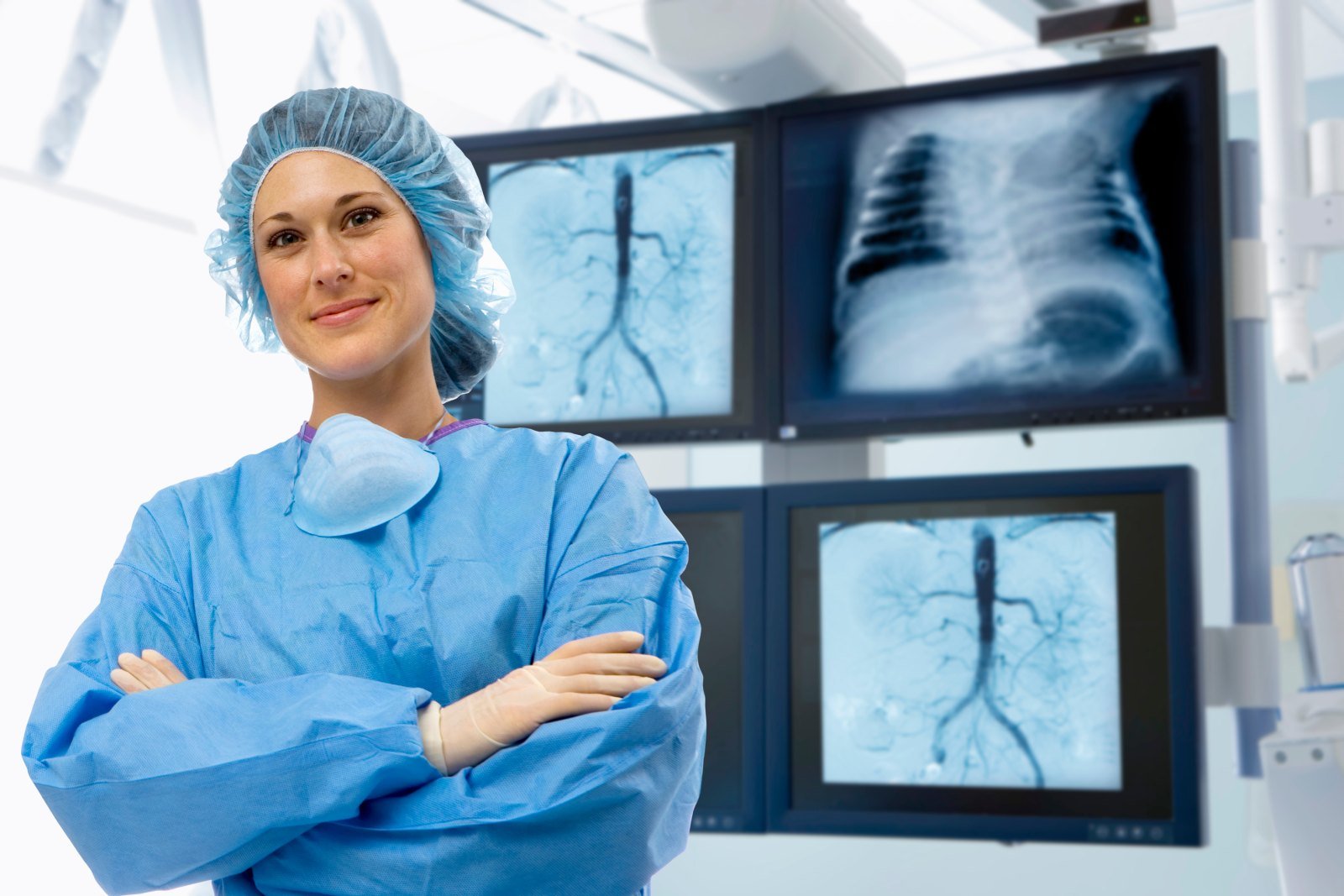
A minimally invasive procedure to treat aortic aneurysms by inserting a stent-graft into the aorta through small incisions in the groin. This procedure diverts blood flow away from the weakened aneurysm sac, preventing it from expanding and rupturing. This procedure is usually performed under general anaesthetic and will require between one to two night stay in hospital.
In some cases aneurysms maybe more suited to open surgical repair. This is an invasive operation that requires an incision in the abdomen and replacement of the aneurysmal segment of the aorta with a vascular graft. This procedure will require admission to the intensive care unit (ICU) following the operation and may require up to 2 week stay in hospital.
Get clear answers, fast support, and a simple path to feeling better—no stress, just careful guidance that puts your health first.
