

Peripheral Artery Disease (PAD) is a condition where narrowed arteries reduce blood flow to the limbs, most commonly the legs. It can also affect arteries of the neck and abdomen.
PAD is typically caused by atherosclerosis, a buildup of fatty deposits in the artery walls. Symptoms include cramping with walking (intermittent claudication) with more severe cases causing rest pain, non-healing wounds and gangrene.
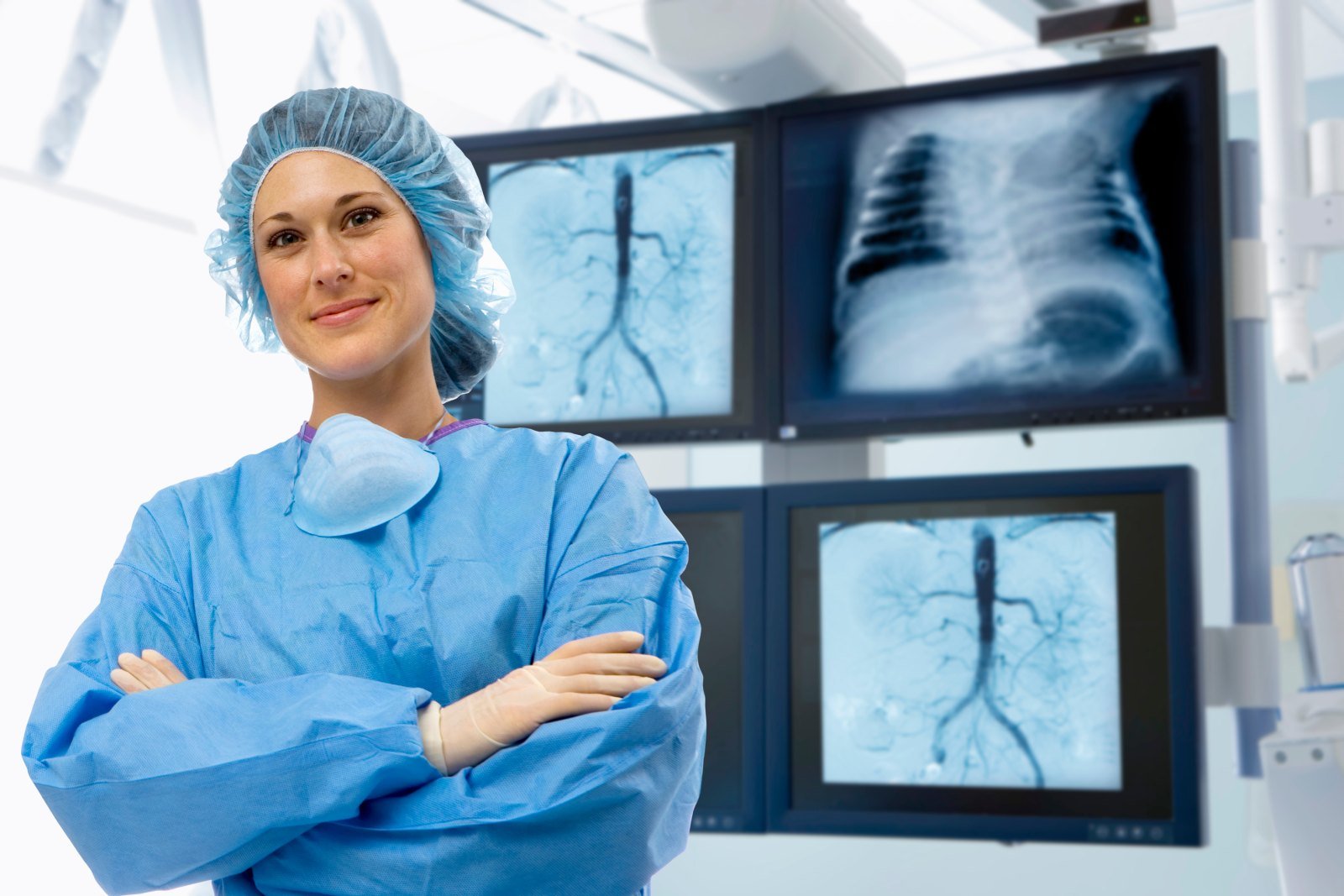
Following comprehensive assessment including diagnostic imaging, treatment options can then be discussed. This will include optimising medical treatment and lifestyle factors predisposing to the development of the condition.
Nathan is credentialled and has experience with the most up to date technology/devices to treat peripheral arterial disease. These procedures are minimally invasive and can usually be performed under local anaesthetic.
They typically involve the use of atherectomy devices to modify/debulk atherosclerotic plaque followed by balloon angioplasty. In some cases, stenting of arteries is required. Patients will usually require one night stay in hospital following these procedures.
In some cases, arterial disease is best treated with open vascular surgery. This may involve an endarterectomy (surgical removal of plaque or blood clot) and or bypass surgery (where a graft is used to bypass an occluded artery).
Open Vascular surgery is often performed with a general anaesthetic and will require a 3-to-4-night stay in hospital.
Book a Consultation Today
Get clear answers, fast support, and a simple path to feeling better—no stress, just careful guidance that puts your health first.
